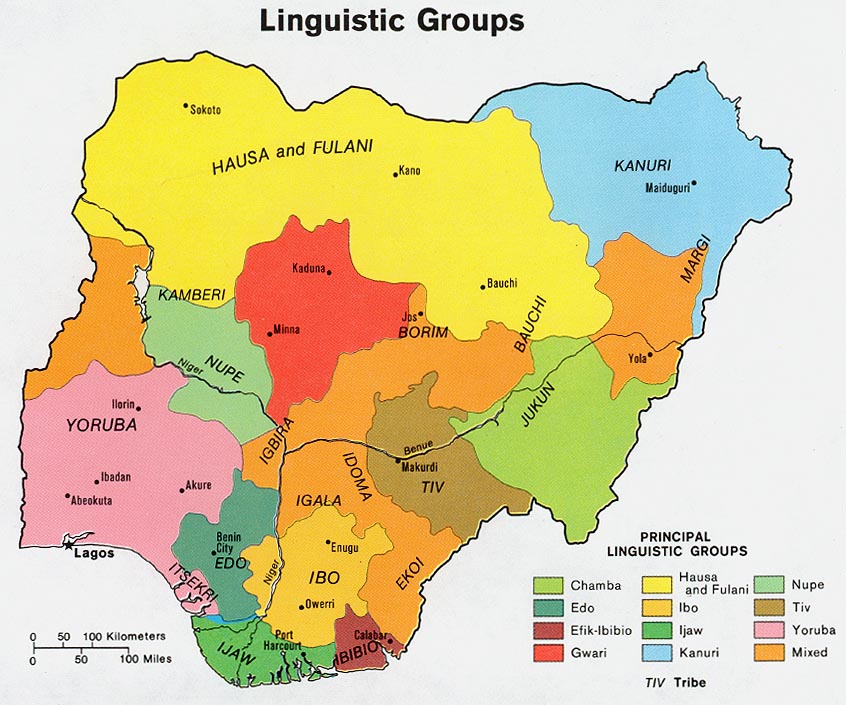

The Urhobo people live in the northwestern Niger Delta region of southern Nigeria, primarily within Delta State. They speak the Urhobo language, part of the Benue?Congo branch of the Niger?Congo family. Their history includes deep ancestral ties reflected in oral traditions that point to ancient connections with the Benin Kingdom as well as other forest–savannah communities. Different Urhobo lineages recount varied migration stories, with some tracing their origins to early movements across the Benin River.
Historically, the Urhobo organized themselves into independent clans and kingdoms—often numbering twenty or more—each led by an indigenous ruler such as an Ovie or other local titleholder. These political structures developed long before colonial involvement and continued to adapt in response to European traders, British colonial rule, and later, the modern Nigerian state.
Urhobo communities occupy riverine and wetland environments marked by streams, lagoons, and tidal creeks. Daily life has long been shaped by fishing, canoe-making, farming, and trade. Staple foods include yams, cassava, maize, beans, peppers, and groundnuts grown in fertile alluvial soils, along with fish and other aquatic resources. Many families also cultivate palm oil and have historically engaged in regional commerce of agricultural and forest products.
The extended family is the foundation of social life, often living together in large compounds that form the building blocks of towns and village wards. Age?grade systems help organize community responsibilities ranging from market regulation to public works and ceremonial duties. Celebrations include masquerade festivals, stilt dances, rites honoring ancestors, and ceremonies that reinforce kinship ties and communal identity. Traditional craftsmanship—such as sculpture, bronze jewelry, masks, and sacred clay figures—continues to be admired and preserved.
While agriculture and fishing remain important, modern Urhobo society also reflects the impact of the petroleum industry, which has brought both economic opportunities and environmental challenges due to decades of oil extraction in the region.
Traditional Urhobo spirituality acknowledges a Supreme Creator known as Oghene, understood as the divine origin of life and the moral order. This worldview includes belief in Erivwin (the spirit realm), Erhi (the personal spirit), and the ongoing involvement of ancestors in the welfare of their living descendants. Rituals, libations, and festivals honor these spiritual forces and reinforce social responsibility.
Today, Christianity is widely practiced among the Urhobo, expressed through active church life, prayer, worship, and community fellowship. In some places, aspects of ancestral reverence or symbolic practices overlap with Christian expression, reflecting a long process of spiritual adaptation. Because the gospel has a strong presence among the Urhobo, pray that believers will deepen their discipleship and become part of Christ's global force to bless less?reached peoples with the message of salvation.
Environmental pressures such as flooding, pollution, and land degradation continue to affect agricultural livelihoods and health in Urhobo communities. Greater economic stability is vital for families impacted by fluctuating markets, regional tensions, and ecological strain. Continued investment in education, youth development, and sustainable economic opportunities can strengthen community well?being.
Spiritually, strong biblical teaching, leadership development, and unity among churches are essential for sustaining long?term transformation. As cultural change accelerates, many families benefit from support that helps them navigate generational differences, maintain moral grounding, and grow in Christ?centered resilience.
Pray that Urhobo families will experience Christ's healing presence amid environmental and economic pressures, finding renewed strength in him.
Pray that local churches will grow in unity, biblical depth, and Spirit?led compassion as they serve their communities.
Pray that young people will discover their identity and purpose in Jesus Christ, resisting harmful influences and embracing His call to abundant life.
Pray that the Urhobo church will rise as a mission?sending community, taking the gospel to less?reached peoples within Nigeria and beyond.
Scripture Prayers for the Urhobo in Nigeria.
https://en.wikipedia.org/wiki/Urhobo_people
https://www.britannica.com/topic/Urhobo
https://historicalnigeria.com/rooted-waters-the-urhobo-history-belief-and-folklore/
https://rexclarkeadventures.com/urhobo-tribe-in-delta-state/
| Profile Source: Joshua Project |